Exploring the Versatility of Wooden Spoons: Five Unique Blog Post Ideas
- kristof-reuter
- Apr 12
- 2 min read
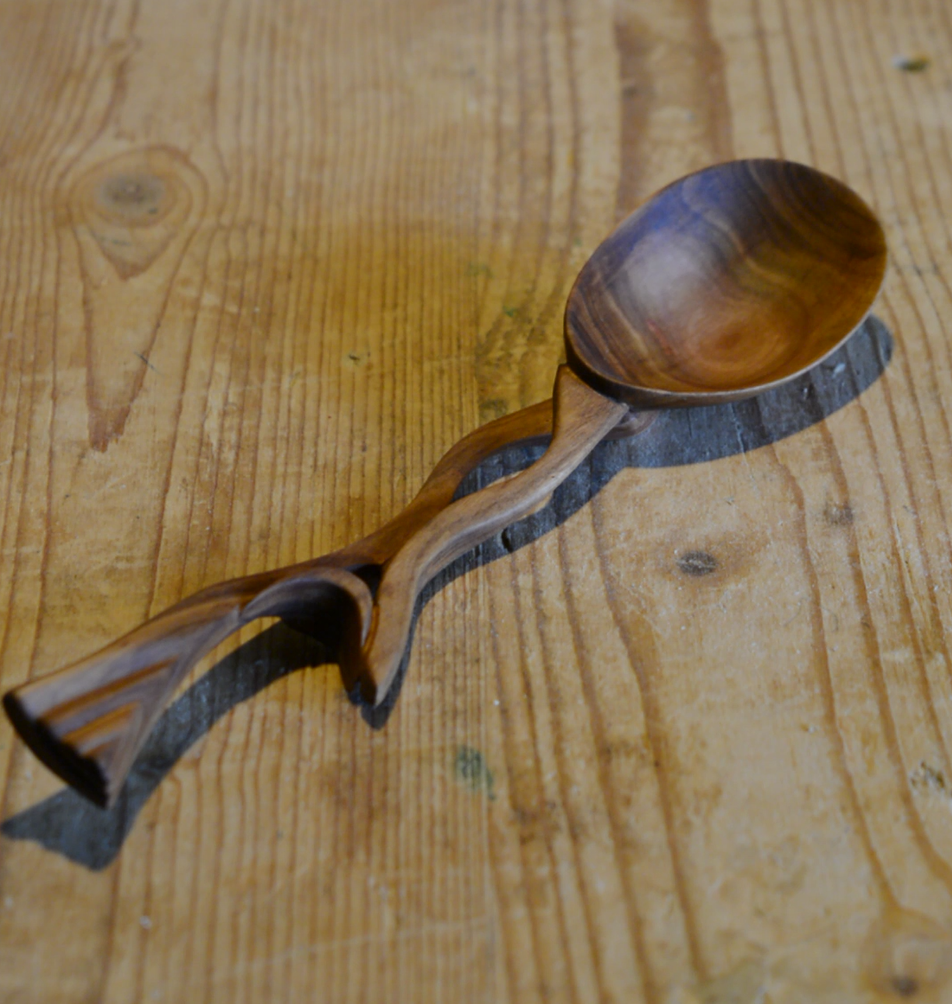
Wooden spoons are more than just kitchen tools. Their timeless design, durability, and natural feel make them a staple in many homes. If you are looking to create engaging content or sell wooden spoons, exploring their versatility can attract a wide audience. Here are five unique blog post ideas that highlight different aspects of wooden spoons, perfect as placeholders or inspiration for your content strategy.
1. How Wooden Spoons Enhance Cooking Experience
Wooden spoons offer a tactile and practical advantage in the kitchen. Unlike metal or plastic utensils, they do not conduct heat, so they stay cool even when stirring hot dishes. This makes them safer and more comfortable to use.
Wooden spoons are gentle on cookware, especially non-stick surfaces, preventing scratches.
They absorb less odor and flavor compared to plastic, keeping your dishes tasting pure.
Their sturdy build allows for mixing thick doughs or stirring heavy sauces without bending.
Sharing tips on how to choose the right wooden spoon for different cooking tasks can engage readers who want to improve their kitchen tools.
2. Caring for Wooden Spoons to Make Them Last
Wooden spoons can last for years if cared for properly. This post idea focuses on maintenance, which is often overlooked.
Avoid soaking wooden spoons in water for long periods to prevent cracking.
Hand wash with mild soap and dry immediately.
Periodically treat with food-safe mineral oil or beeswax to keep the wood hydrated and prevent splitting.
Avoid putting wooden spoons in the dishwasher, as heat and moisture can damage them.
Providing a simple care guide helps readers protect their investment and encourages sustainable kitchen habits.
3. Creative Uses for Wooden Spoons Beyond Cooking
Wooden spoons are surprisingly versatile outside the kitchen. This post can explore creative and practical uses that add value to the product.
Use wooden spoons as plant markers in the garden by writing plant names on the handle.
Turn them into craft projects like painted decorations or personalized gifts.
Use them as stirring sticks for homemade beauty products like scrubs or masks.
Wooden spoons can also serve as musical instruments for kids, encouraging creativity.
Highlighting these ideas can attract readers interested in DIY, gardening, or family activities.
4. The History and Cultural Significance of Wooden Spoons
Wooden spoons have a rich history and cultural importance in many societies. This post can tell stories that connect readers to tradition and craftsmanship.
Explore how wooden spoons were made by hand in different cultures.
Discuss symbolic meanings, such as wooden spoons given as gifts or used in ceremonies.
Share examples of unique wooden spoon designs from around the world.
Highlight the craftsmanship involved in carving and finishing wooden spoons.
This approach appeals to readers who appreciate heritage, art, and handmade products.
5. Choosing the Best Wooden Spoon for Your Kitchen
Not all wooden spoons are the same. This post can guide readers on selecting spoons based on wood type, shape, and size.
Compare popular woods like beech, maple, and bamboo for durability and feel.
Explain how spoon shape affects use, such as flat edges for scraping or rounded bowls for stirring.
Discuss handle length for different cooking styles and pot sizes.
Suggest where to buy quality wooden spoons and what to avoid.
Helping readers make informed choices builds trust and encourages purchases.



Comments